Blog: Our Living Community
In my professional life, I am the Director of Counseling for Alief ISD, one of the most culturally diverse districts in Texas, with our students speaking over 85 languages. In my personal life, however, I am like many of you—a spouse, a parent and grandparent, a sibling, a daughter, and, always, a champion for mental health. During the height of the pandemic, all of those roles were stressed, strained, and stretched. In my professional life, I was feeling those same pressures, especially as I led our District Crisis Response Team (DCRT), which is deployed throughout our district when there is a death of a staff member or student. Last school year, when I had the great fortune to become more acquainted with The Jung Center through the generous support of H-E-B, our DCRT was being requested more and more frequently to support issues of death, grief, and loss. I became increasingly concerned that my team of amazingly dedicated counseling professionals may begin to give way to compassion fatigue and burnout. I shared my concerns with The Jung Center team, and Dr. Sean Fitzpatrick and Dr. Alejandro Chaoul created a dynamic two-day training for our team. I vividly remember that before the first day ended, there were already members of my team in tears as they expressed in small groups some of the collective toll of trying to balance work and home, and how it was impacting their emotional wellness. Over those two days, The Jung Center provided us space and understanding as they walked us through self-care versus community care, how to combat burnout, and mindfulness techniques among other tools, reminding us to navigate life in healthy ways. And if that was not enough, The Jung Center returned to present a full-day workshop to over 100 of our amazing school and district nurses, who, at the time, had conducted more than 25,000 COVID tests over nearly a two-year period, always with a warm smile—while understanding that every interaction could have put them at personal risk. During their “Day of Care for the Caregivers,” as we coined it, the nursing staff kept coming up to me and saying, “I can’t believe someone did this for us. Someone did this just for us.” Since then, The Jung Center has sought and received funding from The Junior League to return to Alief. This year, Jasmine Shah and Dr. Fitzpatrick led two workshops for our counseling team as well as a full-day workshop for our district and school nurses. So, when I think about the impact The Jung Center had in Alief ISD, I think about the thoughtful support and stellar resources that The Jung Center provided for our counseling and nursing staff to ensure that we were emotionally healthy while we cared for ourselves and others. For that, we, along with the over 40,000 students that we serve, say, “Thank you!”
When I had passed midlife but didn’t quite think of myself yet as old, I came across a quote from Carl Jung: “No, thoroughly unprepared we take the step into the afternoon of life; worse still, we take this step with the false assumption that our truths and ideals will serve us as hitherto. But we cannot live the afternoon of life according to the programme of life’s morning; for what was great in the morning will be little at evening, and what in the morning was true will at evening become a lie.”* The words hit me in some truth center of my being. They clarified feelings of unease, displacement, restlessness, uncertainty—quiet and deep—that had been building in me since midlife. They gave me the beginning of a way to age differently from what I had seen modeled in my family and the culture around me. Family— despair and bitterness. Culture—Botox and pills. And then I stumbled onto the beginning of the Community for Conscious Aging at The Jung Center. It became a home with fellow sojourners in this journey that we all face: growing old and dying. How does one do that in a way that is vital and purposeful, willing and willful—creative, and real, and in community? How does one live from midlife onward when the way ahead is unclear and goals of the past may no longer work as well as once they did? There is no ritual or meaning out there to help me move into this. Carl Jung writes in his essay “Stages of Life” that there is no university for midlife onward, but I feel like the Community for Conscious Aging gives me what I need. I find knowledge and advice. I find people who are on the same journey as I am, or even ahead of me. I find community. I’ve attended free programs, as well as book studies and workshops. Every month, I can hear a speaker over Zoom talk about some aspect of aging, from the practical to the esoteric. The talks are called Lunch & Learns, and they are free. I’ve learned about everything from how to age in place, to what records and documents I need done before I die, to the fact that “my kids don’t want my stuff” and the practice of Swedish death cleaning. This spring, my Lunch & Learn choices are: “Understanding Death in a New Way,” “Ethical Wills,” and “Stories We Inherit.” This spring, I can attend workshops like “Letter to My Children on Inheritance,” “Positive Aging: The Spirituality of Later Life,” or “What Matters Most: How Can We Accept Mortality?” I can meet in circles to talk deeply about anything and everything. I can go to a Jung Center Gallery Artist Talk to learn that creativity is ageless. And being part of The Jung Center means programs exist in its other divisions— The Mind Body Spirit Institute, Creating Your Life, The McMillan Institute for Jungian Studies—that cross over to enrich and feed my life. I’m now 77. I am climbing the high mountain whose summit I cannot see but know is there. Two of my sherpas and guides are the Community for Conscious Aging and what it offers, followed by The Jung Center itself with all its riches. *“The Stages of Life”, The Structure and Dynamics of the Psyche (Collected Works of C.G. Jung, Vol. 8)
When I was twelve years old, my father took me by one hand. In his other hand, he held a telescope. He led me to our backyard, where he had set up a tripod. As he positioned my eye to the scope, he asked, “Can you imagine what life on other planets might be like?” He was teaching me to wonder as much as he was teaching me astronomy. Telescopes allow us to see the unseen in stars and planets. Imagination is also a telescope for the unseen. My father pointed out the shape of the Little Dipper with its handle ending in the North Star. Once you know north, you can navigate the globe. Thinking back to that moment, he was showing me how to zoom out to infinity, how to zoom out to the possibilities imagination brings, and how to zoom in to the clue that is always available—how to find north. You can be lost in the wonder of infinity and still find your place on Earth. I followed his prompts to zoom out, to practice seeing things from above. When I was in high school, Sputnik went up. This Russian satellite was the first to enter space. It kicked off a space age, a scientific race, and a new worldview—seeing Earth from above. At that moment, I knew immediately what I wanted to be. It was not an astronaut. I wanted to be a “space lawyer”. I wanted to invent the terms that would bring agreement to the biosphere, as admiralty law did for the oceans. I imagined space law as the next iteration of the United Nations. I did not become a space lawyer, but I still practiced zooming out. I joined NBC Network News in Washington, D.C., and made documentaries in Liberia, Abu Dhabi, Israel, Northern Ireland, Cuba, and other countries in tension and transition. Filming foreign cultures was another way to see the unseen, to experience the wild variety of ways to live in this world. Just as the Big and Little Dipper use shape to key us to the stars, I started to think of shape as a way to understand human history. I remembered that when I filmed in tribal cultures, their shelters, social systems, and sacred sites were all circular, from round thatched huts to Stonehenge. When I filmed in cities, it seemed a ladder dominated their worldview, from pyramids to skyscrapers. Today, the network model masters our global lives, from technology to the map of our brain. These thoughts led to my book, The Telling Image: Shapes of Changing Times . Throughout my life in Houston, I came to The Jung Center as the place to understand the shapes and patterns in human history and in my own life story. I took courses in mythology and fairy tales, studied my night dreams and daydreams, researched symbols and wrote poetry, and took courses in the history of human ideas. The Jung Center is a place of learning, though not a school. It is a center that addresses spirit and mystery, though not a house of worship. It is a place of creative arts, though not a museum. The Jung Center offers us ways to see the unseen, to zoom out to the universe, and to zoom into ourselves.
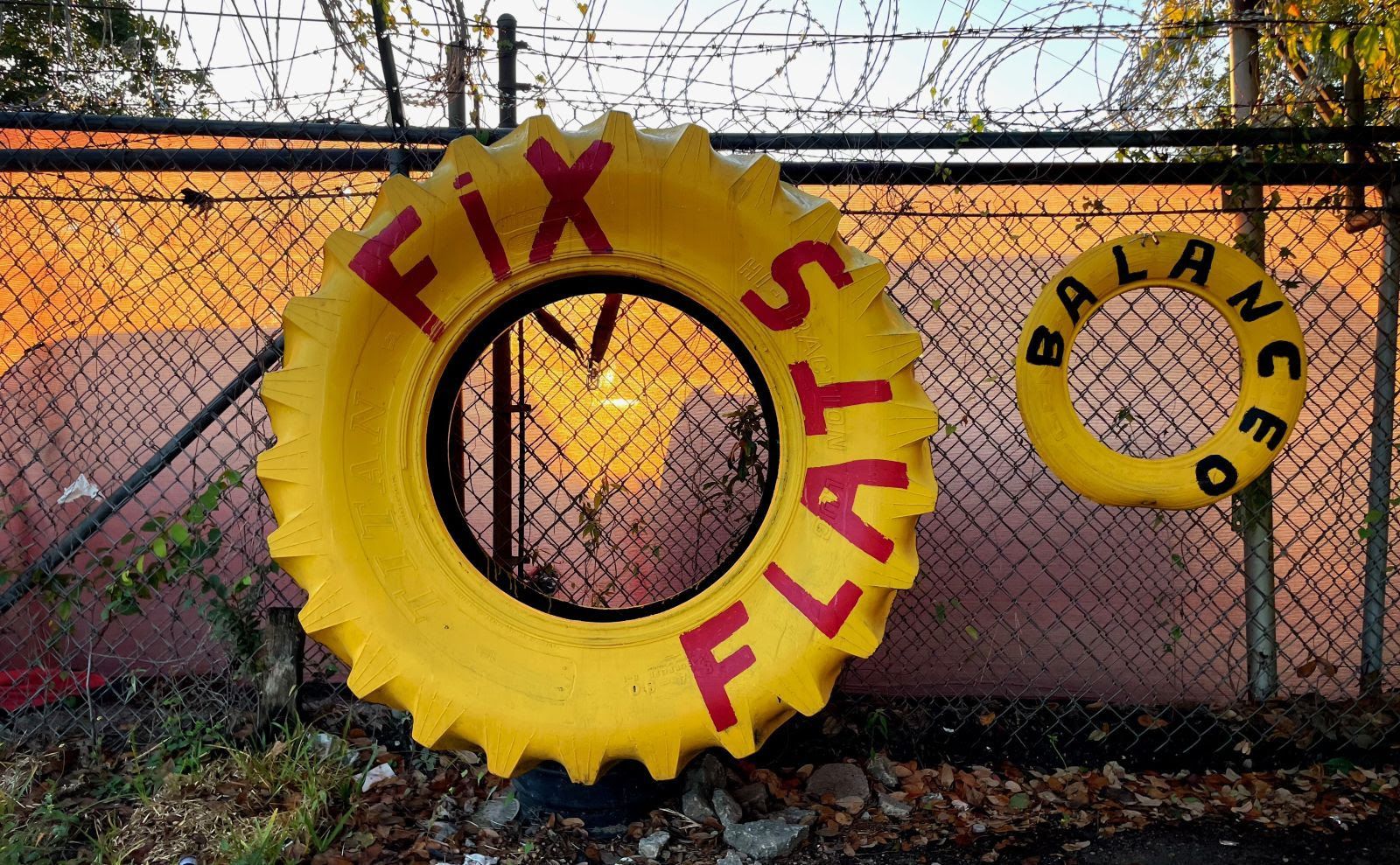
Friends, Circles represent symbolic wholeness. At moments of great crisis and disequilibrium, Jung understood that circles may appear in our dreams, as ways of reflecting the greater order that underlies our experiences of chaos. In early November, a group of wary Houstonians gathered for a tough conversation around a set of round tables in a large hall at Interfaith Ministries of Greater Houston. They came from across the political spectrum to discuss complex issues with people who disagreed with them. Depending on the table, participants discussed either freedom of speech or immigration, in a set of structured dialogues led -- but not controlled -- by moderators at each table. The founders of this dialogue were unlikely allies: Republican City Councilmember Julian Ramirez and his chief of staff, Democrat Leah Wolfthal, who met while they were both running for the same council seat. Councilmember Sallie Alcorn has joined them as a host. A third is planned for January 14. I’ll be there. The movement is growing. The round tables of the Bringing Houston Together initiative do not promise cheap or easy wholeness. They tell us that the work of coming together across deep rifts is risky and uncomfortable. And the bulk of the work is internal, as we open ourselves to honestly host the reality of those whose differences from us seem -- or may even be -- threatening to our most fundamentally-held values. Listening closely, not persuading or being persuaded, is the work our community has forgotten. It may be the hardest, most necessary work we have right now. Personal wholeness does not come cheap or easy, either. It's a life's work – or, rather, the way of a life lived with integrity. It involves walking toward what we fear, toward what disgusts us, toward those things we are sure that we are not -- except for that aching suspicion that, deep down, we are those things. It involves rejecting fantasies of purity to accept what is real. How do we accept what seems unacceptable about us? How do we live with it -- and not just live with it, but find what we've been missing, perhaps what we most need? You may have noticed that circles have become a bigger part of our public offerings. These are not classes, but opportunities to sit across from each other and practice listening deeply to the mystery revealed through each of us. When our staff collects for in-person meetings, we gather in a circle. Our circle is growing. This fall, we hosted 20% more students in our public programs than we did last fall. That growth has come from the skill of our instructors, from the tightening of the weave among our committed, deeply caring staff. And from you, and your willingness to be transformed by holding our great, difficult questions together in community. Thank you for being a part of this circle. Please consider helping us expand the circle in 2026 with a meaningful gift to our annual fund. You can do that right now, by clicking here. And if you have already given, we are grateful. Warmly, Sean Fitzpatrick Executive Director
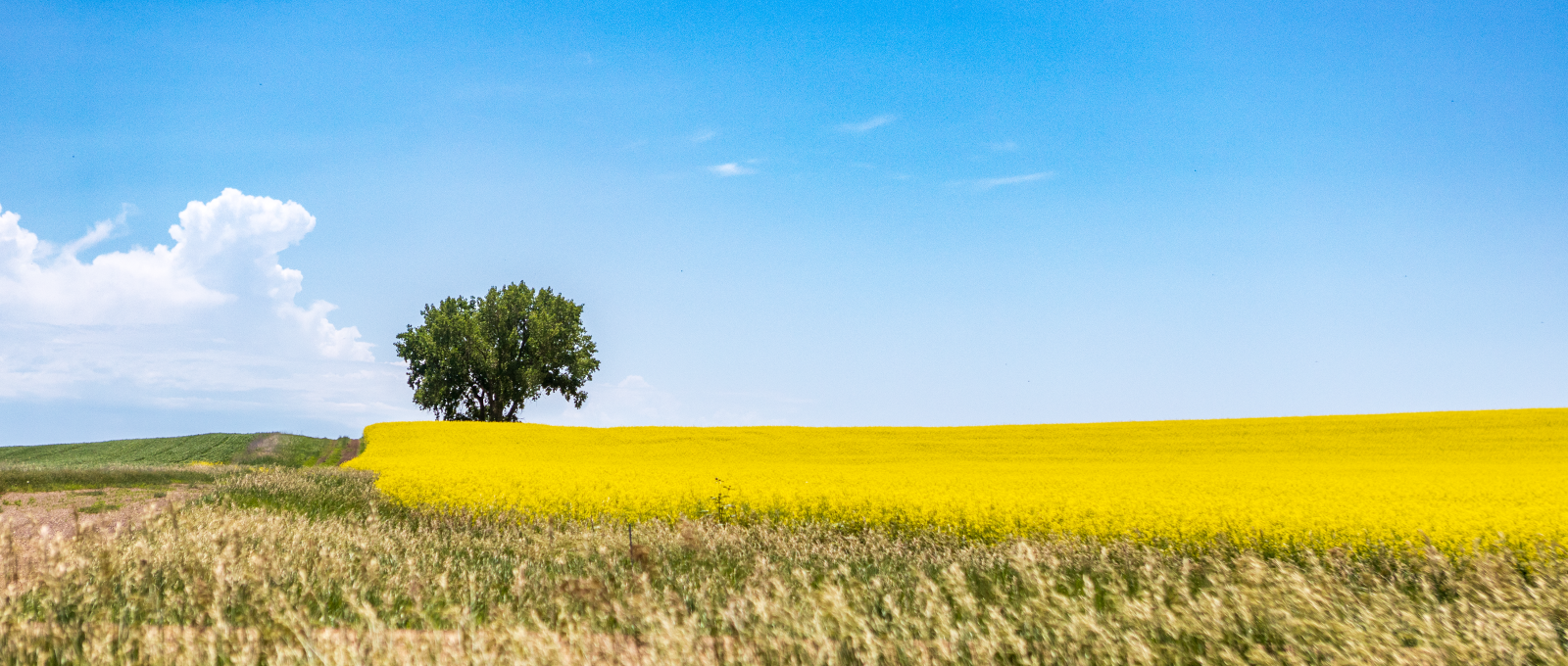
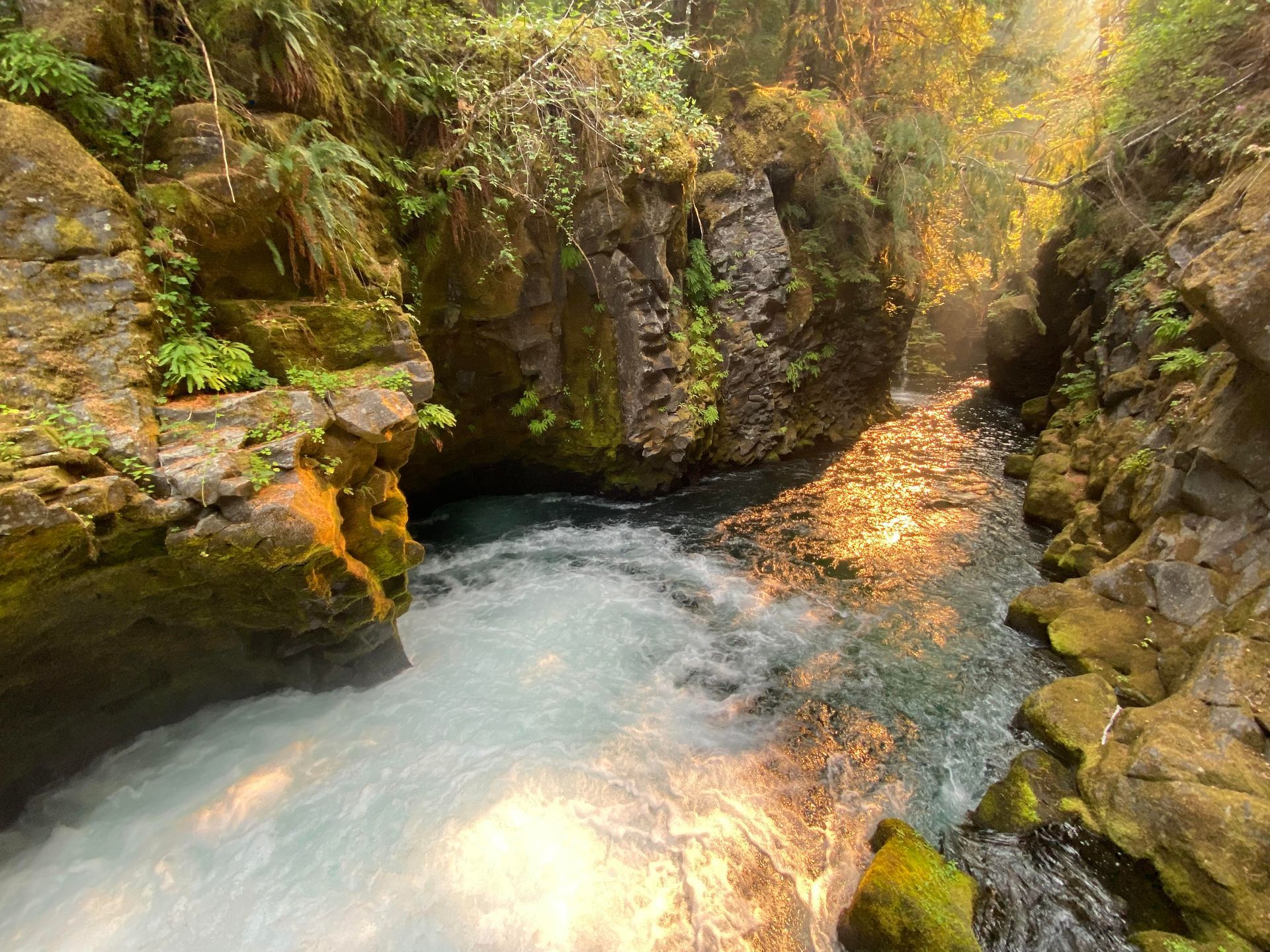
Dreaming is a necessary ingredient for any beautiful creation or meaningful life
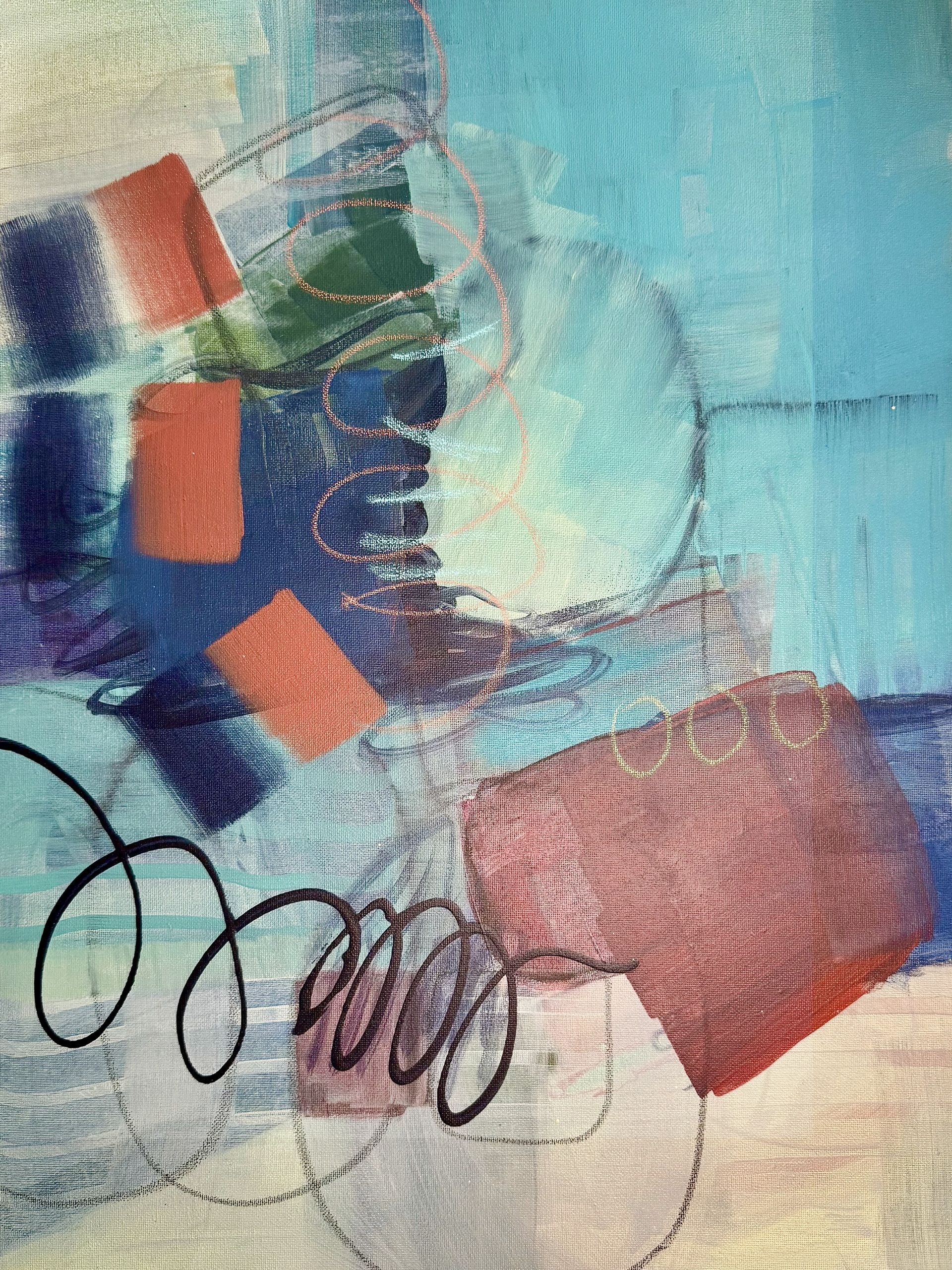
If life’s challenges hold opportunities for our growth and transformation, how can we suspend ourselves courageously in a moment and lean into the unknown?
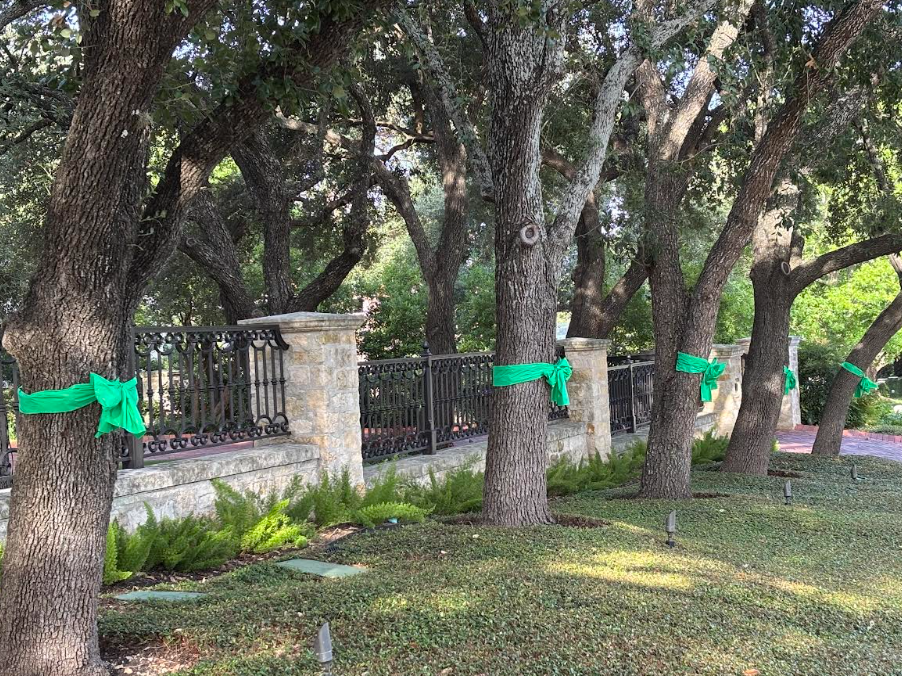
Dear Friends, I often find myself contemplating the absence of ritual and rites of passage in our culture—those thresholds that mark our movement through life with meaning. One of the most enduring rites we still collectively honor is summer camp. I spent seven summers at Camp Longhorn, and my wife spent eleven at Camp Mystic. Just one week before the flood devastated our beloved Hill Country, we picked up our daughter from her first summer at Camp Mystic. Camp is more than a childhood tradition—it’s a sacred rhythm. It teaches children how to separate, struggle, return, and reconnect. And as we all now know, that rhythm was violently interrupted this summer. We now sit in grief—painfully and prayerfully—with all the families affected. As a psychotherapist, I meet with many people each week, and I don’t know anyone—personally or professionally—who hasn’t been touched by this disaster. The full scope of devastation has yet to reveal itself. There are communities still beginning to understand what has been lost. Whether you’ve been directly affected or are holding space for someone who has, this is a moment that calls us to come together—healing through connection. Texas is in pain—and we must remember that we do not heal alone. In times of disaster, our most powerful medicine is connection. Whether you’ve lost everything or are bearing witness, this is a moment to lean into relationship. At The Jung Center, we have long understood that the way we navigate suffering depends on the depth and quality of the relationships we carry—including the relationship with ourselves. Grief moves through us all—sometimes loudly, sometimes in silence—and these moments of rupture are also invitations to come together. To listen. To offer. To receive. Whether you’re the one being held or the one doing the holding, remember: we heal together. With deep care and connection, John Price President, The Jung Center of Houston If you are looking for connection and community, consider joining us for our weekly Power of Community online meditations on Tuesdays and Thursdays ( https://junghouston.app.neoncrm.com/np/clients/junghouston/event.jsp?event=12358 ) or our online Meditacion en Español on August 6 ( https://junghouston.app.neoncrm.com/np/clients/junghouston/event.jsp?event=12363 ). Or consult our events calendar ( https://www.junghouston.org/events ) for a continually updated roster of classes and events. Additionally, The Jung Center's Mind Body Spirit Institute offers essays, podcasts and interviews, and a variety of guided meditations - all free - on Substack https://themindbodyspiritinstitute.substack.com/ . If you would like to give to the affected communities and families, you can do so through the Community Foundation of the Texas Hill Country https://cftexashillcountry.fcsuite.com/erp/donate/create/fund?funit_id=4201 , or you can give to the Institute for Spirituality and Health’s Greater Houston Healing Collaborative https://www.paypal.com/donate?campaign_id=Q8KZJT2Y8WREJ .
In an age of constant digital contact, why are we still aching with loneliness? Loneliness, anxiety, and depression feed each other in a feedback loop, revealing how emotional and spiritual disconnection can mirror and magnify psychological suffering. More than 1 in 5 adults report serious, chronic feelings of loneliness (Harvard, 2024). And while our minds reach for obvious explanations — social media, remote work, the breakdown of community — the root often runs deeper. Dr. Lisa Miller, clinical psychologist and author of The Spiritual Child , names what many of us intuitively feel: loneliness is not just a social issue — it’s a spiritual crisis. She reminds us: “When we feel lonely, we may have narrowed our perception of reality, forgetting we are innately connected — to one another and to a larger, spiritual consciousness” (Miller, 2023). In Jungian terms, this is a loss of archetypal grounding. Carl Jung wrote that our spiritual needs are as vital as food or safety (Jung, 1928). When these needs go unmet, we begin to feel unmoored — not just emotionally, but existentially. Loneliness is the soul’s alarm bell and a call to return to what is sacred and alive within us. From Dopamine to Oxytocin We are living in a dopamine-driven world, where likes, messages, and quick hits of digital feedback mimic connection but rarely nourish it. But true belonging happens through oxytocin — the hormone of trust, touch, and presence. One gives us the rush of being noticed. The other gives us the roots of being known. We are not starving for more information. We are starving for intimacy, for a spiritual resonance for the kind of connection that doesn’t flicker out when the screen goes dark. Our Disconnection from Nature, Spirit, and Soulful Community As we drift further from nature, spiritual rituals, indigenous wisdom, and collective healing, we lose the very threads that once held us together. We’ve traded sacred communities for curated content. And yet, something ancient is stirring. As Dr. Miller observes, we may be standing at the threshold of a spiritual renaissance, a reawakening of our longing to live in communion with the sacred (Miller, 2023). Many of us feel the pull to return to sacred circles, to breath and experience stillness, to forests and rivers, to each other. A kind of collective tapestry to bond and heal. Real Connection: A Grounded Return So then, what is real connection? It is presence. It’s being witnessed in our wholeness — not just our highlight reel. It’s communal care. It’s a shared breath. Shared silence. Shared story. It is the remembrance that we belong — to one another, and to something greater than ourselves. Jung would call this the reunion with the Self — a return not just to intimacy with others, but to soul-level grounding in who we truly are. At The Jung Center’s Mind Body Spirit Institute, we believe healing happens in relationship — with ourselves, community with each other, and the sacred. This is where we bring the numinous to life. As James Hillman reminds us in The Thought of the Heart and Anima Mundi, our deepest psychological and spiritual healing depends on the return of the soul to the world. To end loneliness, we don’t need more noise–we need more noticing. We need to hold relational space, as the forest does, linked by a vast mycelium network, present into reverent communion. References Harvard Graduate School of Education. (2024). What’s Causing Our Epidemic of Loneliness — And How Can We Fix It? Usable Knowledge. Retrieved from https://www.gse.harvard.edu/ideas/usable-knowledge/24/10/what-causing-our-epidemic-loneliness-and-how-can-we-fix-it Miller, Lisa. (2023). The Great Spiritual Decline . Big Think. Retrieved from https://bigthink.com/the-well/the-great-spiritual-decline/ Jung, C.G. (1928). The Structure and Dynamics of the Psyche , Collected Works Vol. 8, para. 403. Princeton University Press. U.S. Department of Health and Human Services. (2023). Our epidemic of loneliness and isolation: The U.S. Surgeon General’s advisory on the healing effects of social connection and community . Office of the U.S. Surgeon General. https://www.hhs.gov/sites/default/files/surgeon-general-social-connection-advisory.pdf
We live in the age of information- inundated daily with data, news, and seemingly competing perspectives. The clamor creates a cacophony which can be felt internally as well as clearly observed in the collective. This flow of information can be experienced as a tidal wave, threatening to overwhelm or flood the channels for action. To make matters more challenging, as cultural theorist Byung Chul Han notes- information is “Janus-faced– it simultaneously produces certainty and uncertainty.” How can we respond to such an onslaught of illuminating but destabilizing input? As Carl Jung has always emphasized, a reliable first step involves cultivating self-awareness. Through ongoing, deep introspection and discourse with the wisdom of those around us, we identify our distinct nature. As James Hollis advised us, we need to “access our inner compass, the promptings of the psyche that help us find our way through the complex thickets of choice.” The art of composing contour, discerning boundaries, and carving out the path ahead is at once personal and relational. It aligns us in the midst of disorienting circumstances. Immersed in this active process, we uncover our own creative fingerprints, the unique offering which we contribute to the evolving design. Supported by our community- through clumsy but genuine reciprocity and mutual care, we are delivered into uncharted and renewing territory. One established practice of collaborative self reflection is the ‘life review’. Hospice professionals and death-tenders have long documented the transformation and healing which comes from imagining our personal narratives and mythos in a structured way. Therapeutic professionals, and the clients they serve, have realized this process is also constructive before end-of-life– for caregivers, those at midlife transitions, or anyone aiming to approach their own story intentionally. A recent piece from The New York Times, A ‘Life Review’ Can Be Powerful, At Any Age , explores this expansion and informed the creation of our Summer Lunch & Learn offering, “Reimagining Your Story Through the Eyes of Wisdom”. This introductory hour is followed by an opportunity for deeper, collaborative practice through a workshop series. The collective dreaming and practice here invites us into the empowering experience of being an authority in imagining our own life stories. Other Summer programming with The Community for Conscious Aging includes delving into Drew Leder’s ‘Chessboard of Healing’, which highlights the strengths and shadows of various coping strategies that keep us afloat as we navigate troubled waters. A Lunch and Learn explores identity and resilience for those making the midlife transition– especially those in the “sandwich generation” who practice the precarious balancing act of caregiving for elders while also parenting and, somehow, trying to self-actualize. A book study engages the question- how do we imagine ourselves beyond the roles we’ve been prescribed, or adopted out of necessity, so that we can more deeply experience soulfulness? And a virtual workshop approaches the timely issue of growing older alongside the digital age. When we find ourselves facing daunting thresholds or deluges of information which threaten to blot out guiding light, I’m reminded of the voice of Joseph Campbell, “The dark night of the soul comes just before revelation. When everything is lost, and all seems darkness, then comes the new life and all that is needed.” The Community for Conscious Aging welcomes your voice to our space for envisioning, and experiencing, relational clarity and wholeness.
Without a learning community, I tend to get stuck and stay there. I have a couple of red flags I watch for. I may binge watch shows on streaming services or mindlessly buy art supplies or office supplies that I don’t need. Once I notice the drain of time and money, I know it is time to get myself in gear. I typically start with reading and listening. My Audible list and bookshelves are full of resources---more books than I can consume. But this can become a stuck place, too, avoiding the work of change by leaning on others’ knowledge. Changing my perception, shifting my habitual behaviors, and improving my relationships involves discernment and action. What influences do I want to be changed by and what are the actions I need to take? In 2007, following intense periods of reading and attending lectures and workshops, I started participating in practice groups. These groups, much like a lab that accompanies a college lecture course, were designed to help learners process the teachings and apply them in their everyday interactions. They became an invaluable tool to catalyze growth and transformation. When a lecture or workshop didn’t have a practice group as a follow up, I would gravitate toward other learners and start one. Since 2017, I’ve consistently practiced in one group that regularly gathers across various topics and interests with the common thread of self-reflection, expression, and harvesting insights that change our lives. I tend to stay motivated and inspired as long as we meet regularly. We share resources and invite each other to lectures and workshops. We’ve even taken our learning community on weekend retreats in the nearby Piney Woods to engage in a time for practice, reflection, and connection. Our learning lab agreements have become the heart of our community, building trust, compassion, and grace. We relate with care — not transactionally or co-dependently. Between meetings we use a group text string to share growth milestones, celebrate when we set healthy boundaries, and request and offer support. When someone needs help — like a ride or a hand with a move — we say, “all invitation, no expectation,” honoring each other’s capacity without needing explanation. Through consistent practice, we’ve created the change and connection we were seeking from the start. This summer it is my great pleasure to host two learning labs for The Jung Center community, one online and one in-person. We will share what we are learning from The Jung Center programs, programs in other spaces, and through our life experiences. Using specific agreements and a structure for equal and respectful contribution, we will highlight what inspires us, name our blocks and barriers, and honor each person’s journey and inner guidance as we harvest and apply insights that help improve our lives and contribute to the broader community.

Growth doesn't come from avoiding discomfort but from holding the tension of opposites